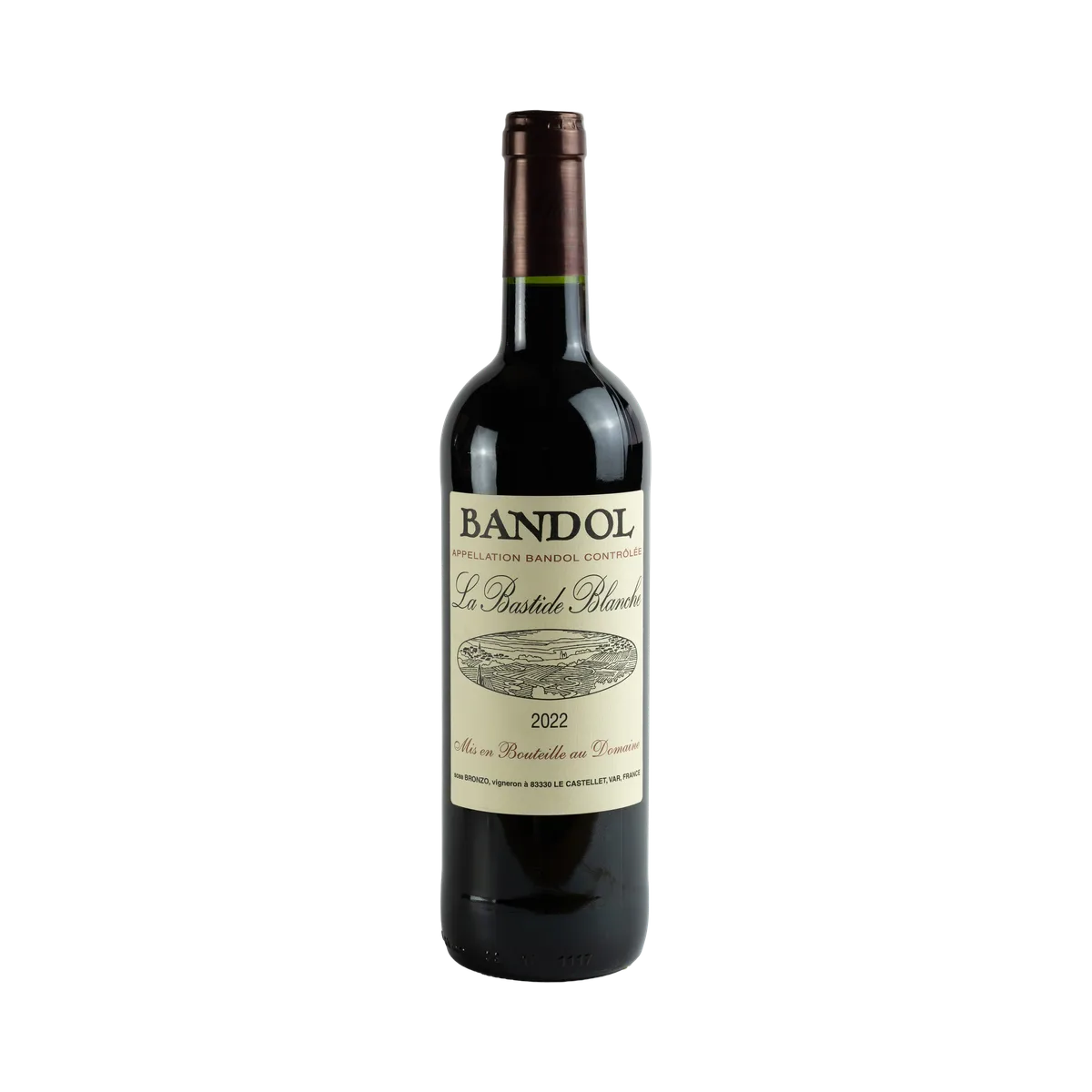
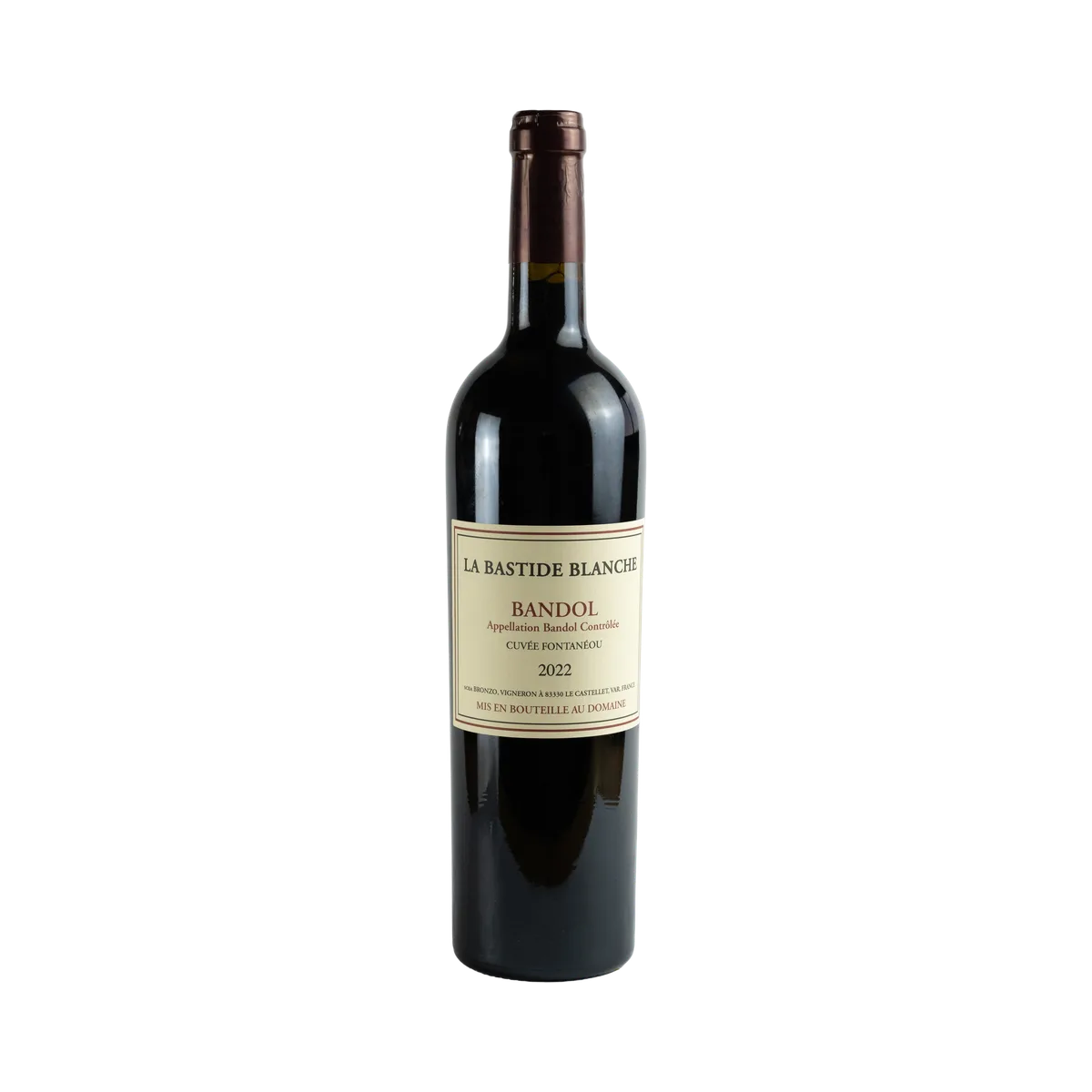
Red
Age-worthy red
Deep in colour and markedly structured, Bandol reds can appear firm in their youth. Over time they develop complex aromas of dark fruit and spice.
Controlled Designation of Origin
A great terroir of Provence · AOC-classified since 1941
« Mourvèdre, the appellation's signature grape, shapes age-worthy reds and gastronomic rosés. »
Recognised in 1941, Bandol is one of the oldest appellations in Provence. Spread across eight communes, its production zone forms a vast natural amphitheatre, bounded to the north by hillside landscapes and open to the south towards the Mediterranean.
A well-defined terroir
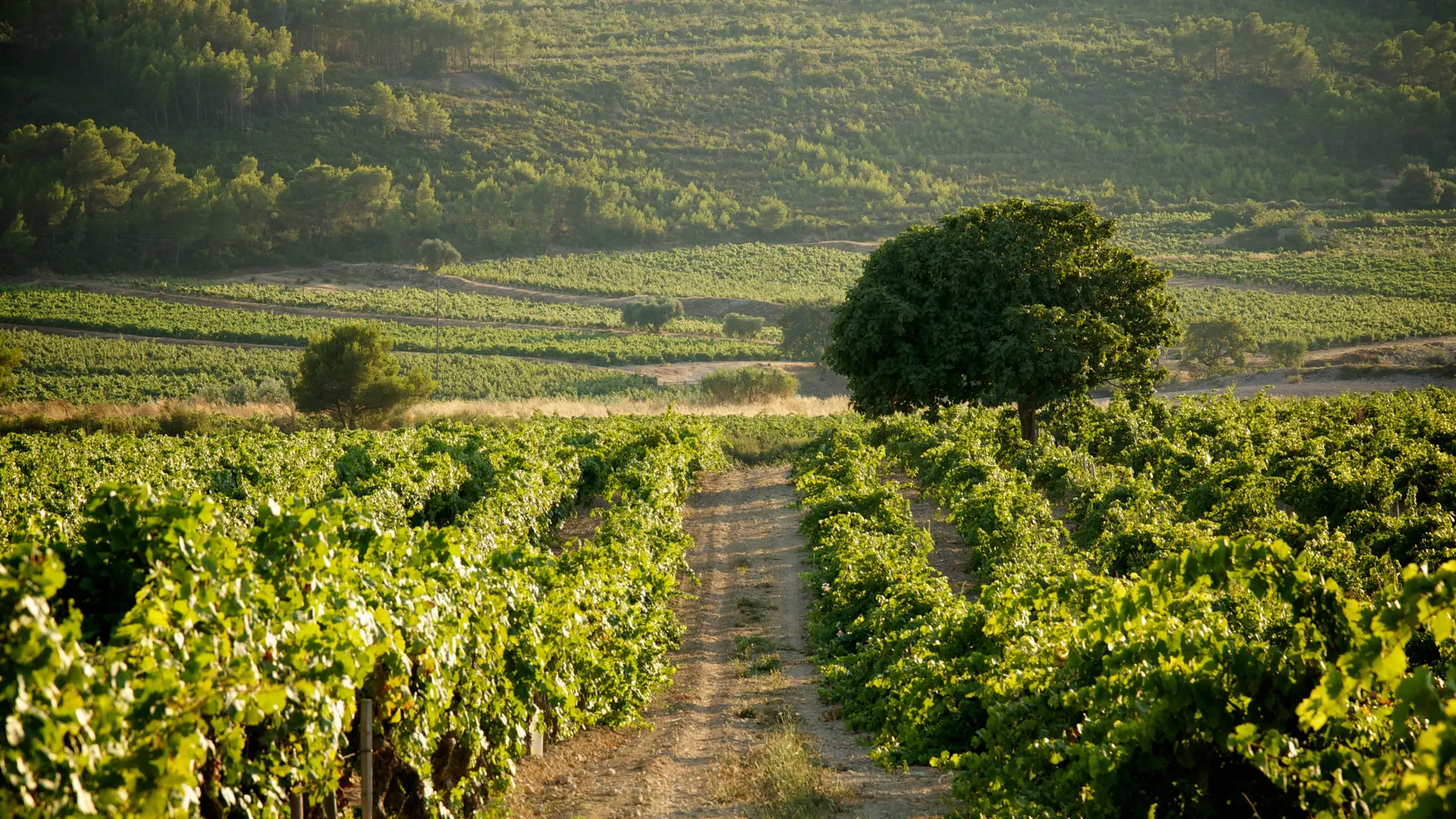
The Bandol appellation covers the communes of Bandol, Sanary-sur-Mer, Le Castellet, La Cadière d'Azur, Saint-Cyr-sur-Mer, Évenos, Ollioules and Le Beausset. The 1,600-hectare vineyard is planted on hillsides, often arranged in dry-stone terraces (restanques).
The Mediterranean climate, protective hills, poor and deep soils, the Mistral, the sea breeze and 3,000 hours of sunshine per year create unique conditions for Mourvèdre to reach full maturity.
« The soil of Bandol is very dry and stony. The principal production of the terroir is red wine of the first quality. »
The signature grape
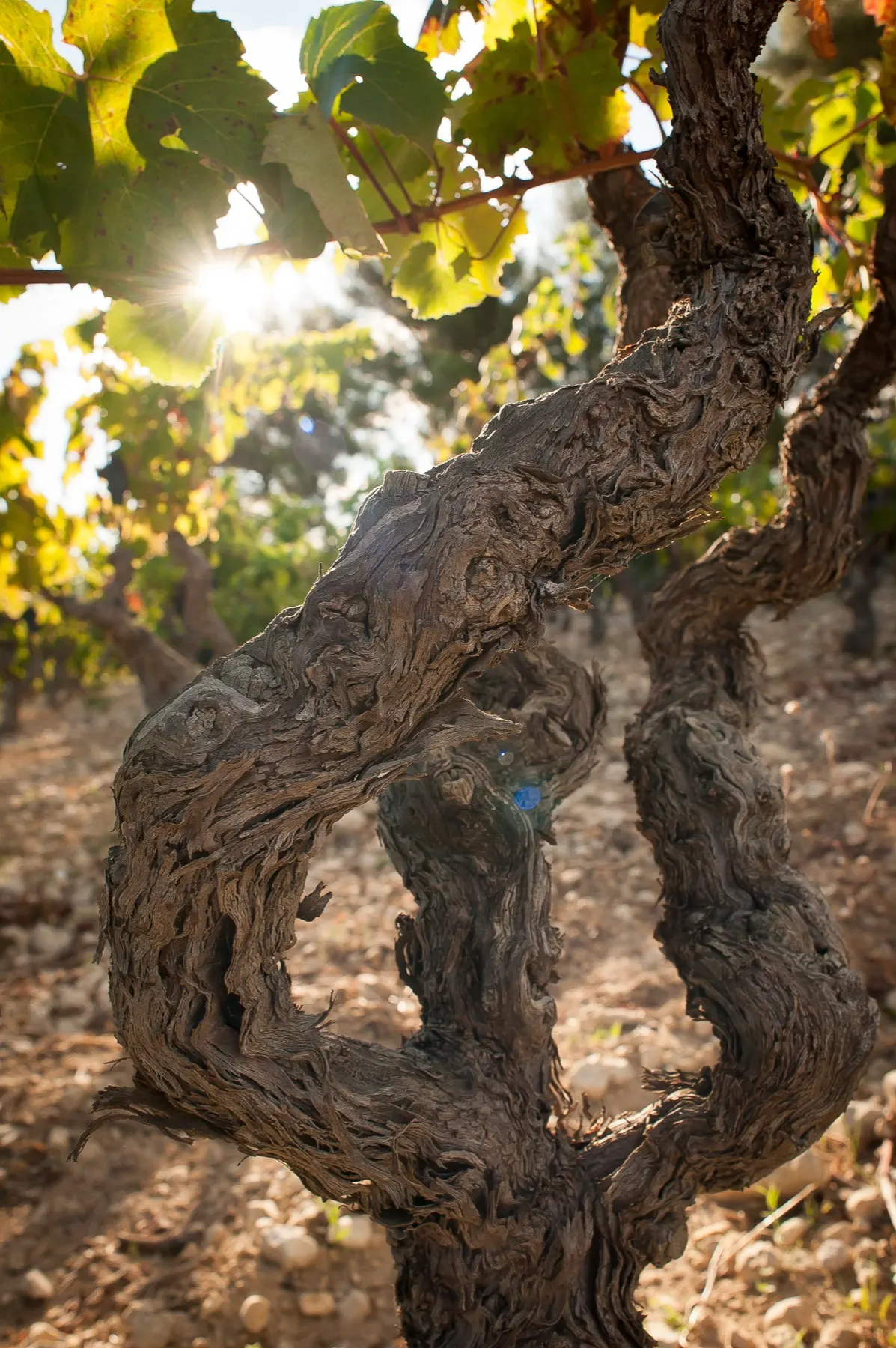
Growers say it needs to see the sea to reach perfect ripeness. A late-ripening variety, its perfect maturation requires heat, sunshine and the gentle maritime influence.
Mourvèdre gives the red wines structure, tannin and ageing potential, while lending the rosés their distinctive character, grip and complexity.
« … Mourvèdre forms the base of these wines, which are full-bodied and of the finest colour … »
The specifications
Production
Red
Rosé
White
An acclaimed appellation
Structured and complex, suited to gastronomy and cellaring, Bandol wines have long been appreciated well beyond our borders: « more than 6,000 hectolitres of wine passed through the port of Bandol bound for Italy, northern Europe and America » (1818, deliberation of the Municipal Council of Bandol).
« More than 6,000 hectolitres of wine passed through the port of Bandol, bound for Italy, northern Europe and America »
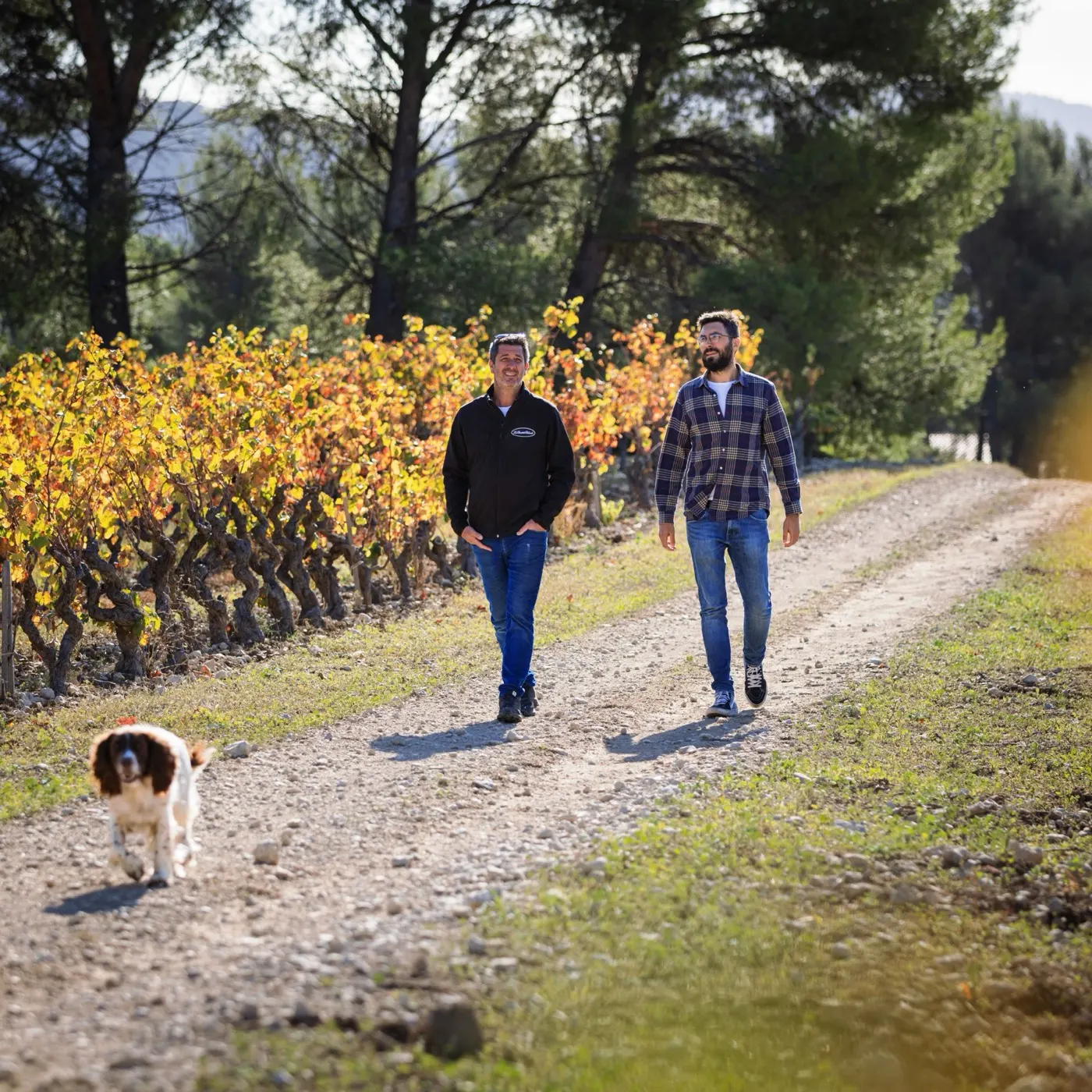
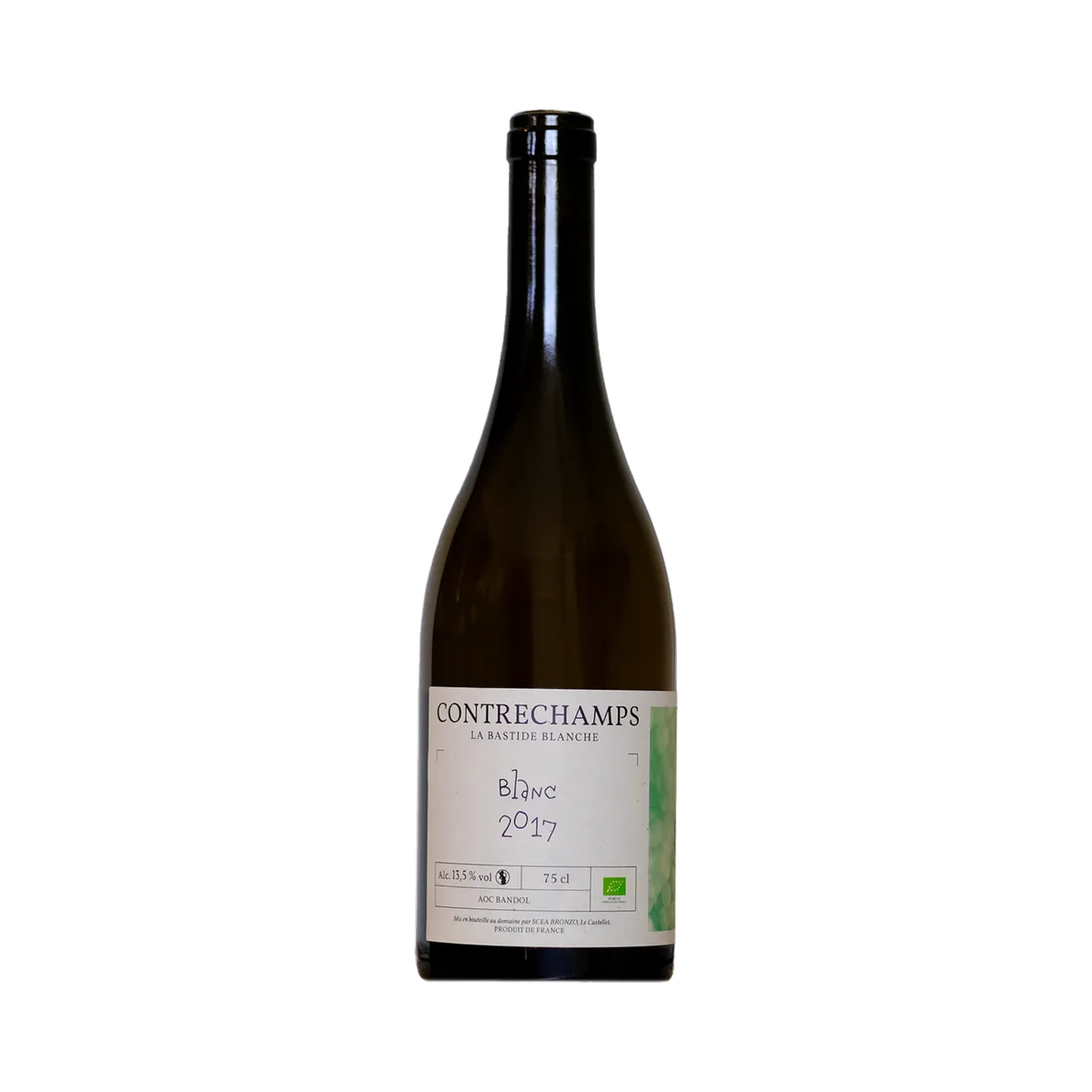
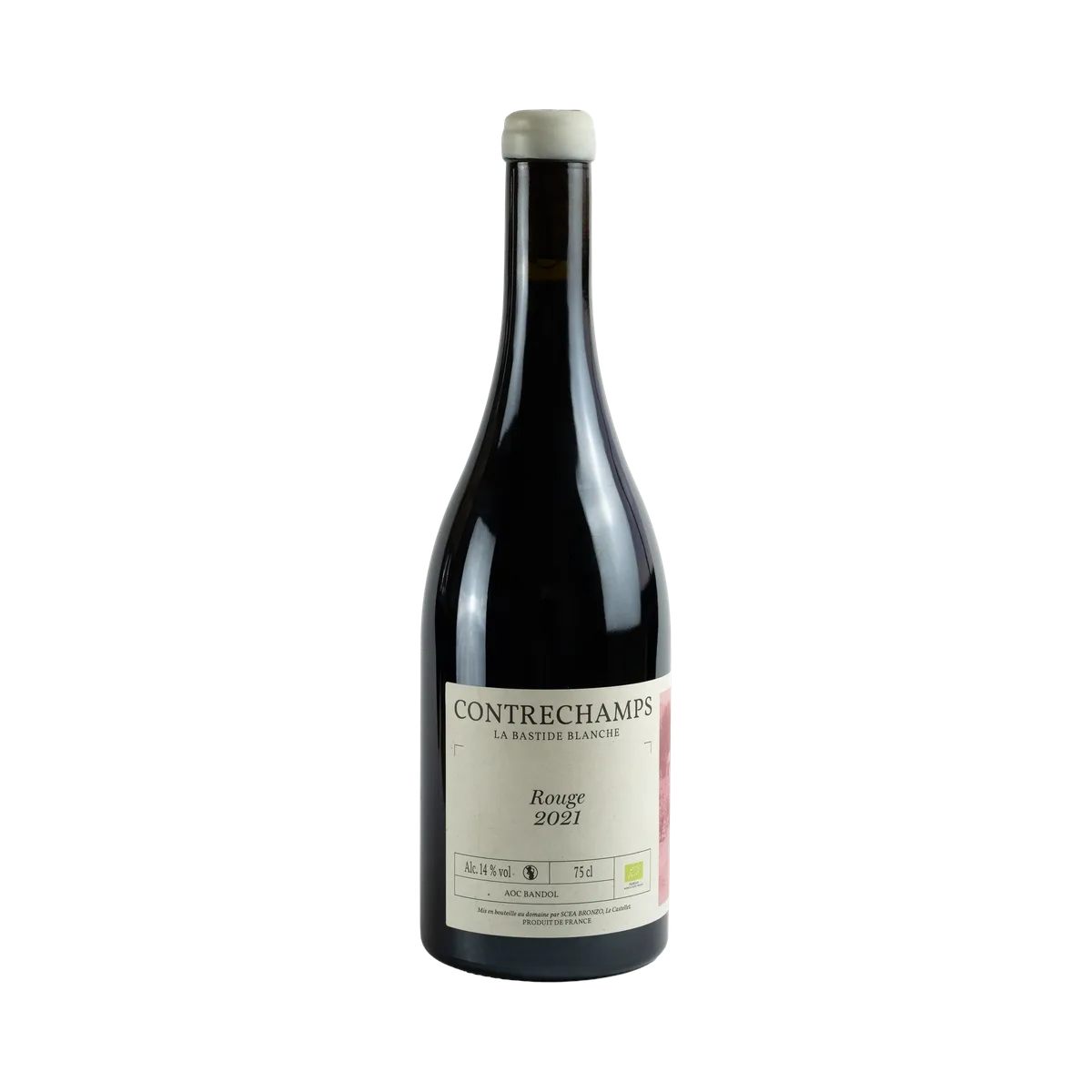
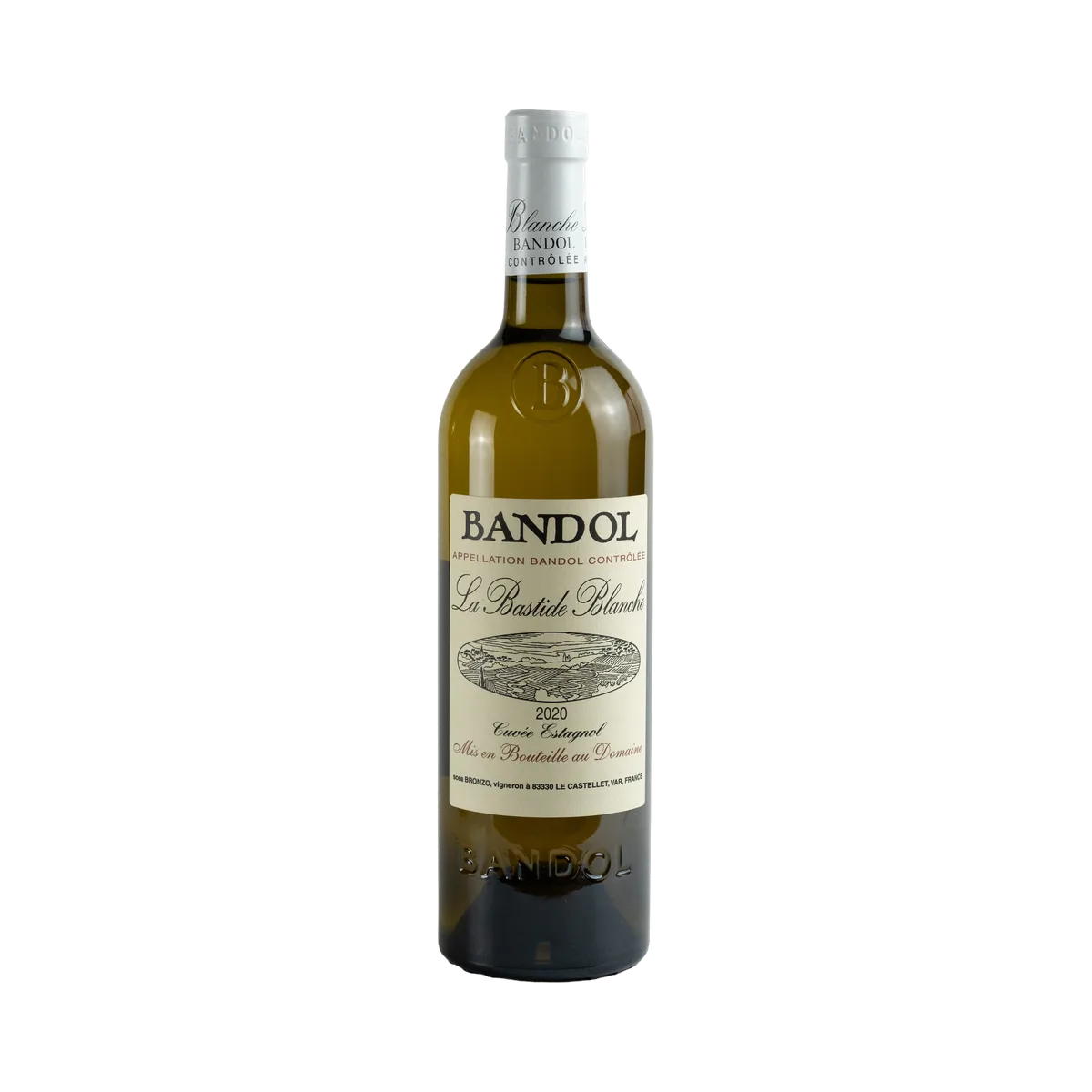
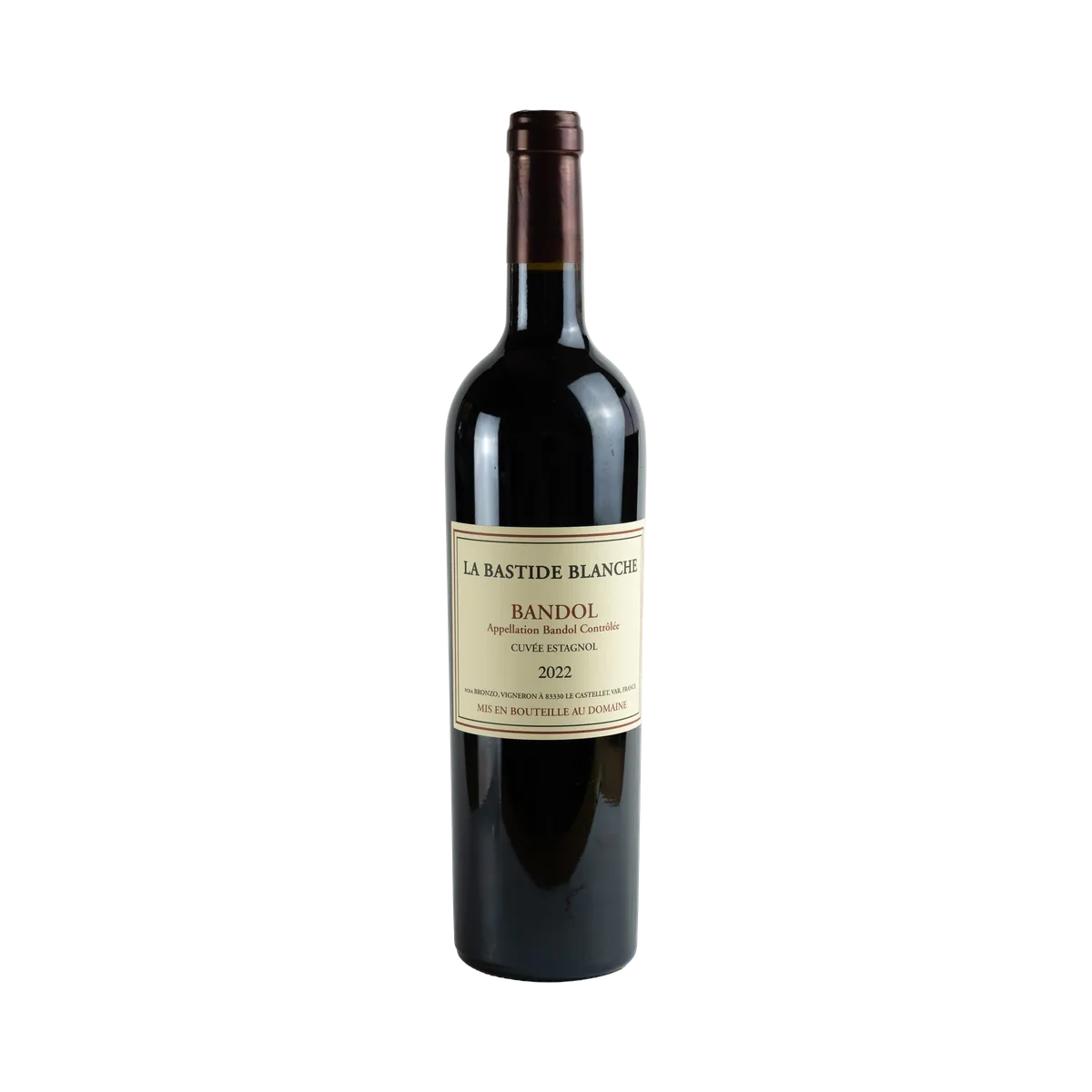
Wines from La Bastide Blanche